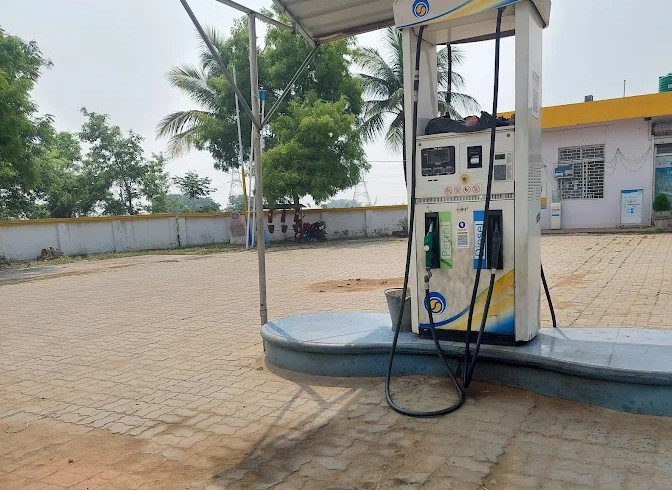
Fuel prices in India remained largely unchanged on March 21, 2026, even after state-run oil marketing companies increased the price of premium petrol by more than ₹2 per litre. The latest revision comes at a time when global crude oil markets are facing uncertainty due to the ongoing Middle East conflict. While the cost of high-grade petrol has gone up, the prices of regular petrol and diesel continue to stay stable in major cities including Delhi, Mumbai, Noida, Kolkata, and Chennai. Consumers are closely monitoring fuel rates as international tensions continue to influence energy markets.
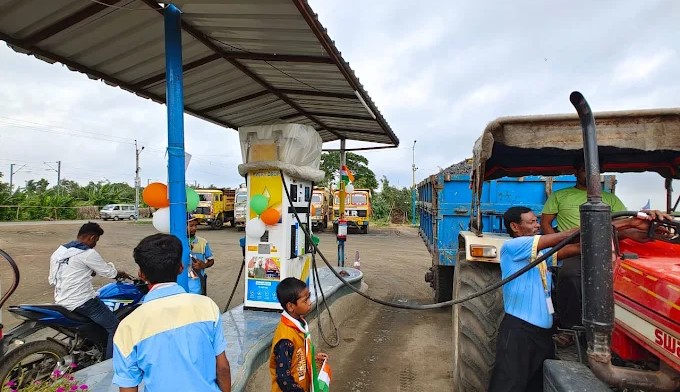
According to the latest update, petrol and diesel prices across India have not changed on Saturday, March 21, 2026. State-owned oil marketing companies (OMCs) such as Indian Oil, Bharat Petroleum, and Hindustan Petroleum revised the price of premium-grade petrol on March 20, increasing it by more than ₹2 per litre. However, the price of normal petrol and diesel has not been modified.
The revision in premium fuel prices is being linked to the ongoing geopolitical tensions in the Middle East, which have caused fluctuations in global crude oil prices. Despite this volatility, India has not changed the rates of regular fuel, offering some relief to daily commuters and transport operators.
Fuel prices in India are updated daily by oil marketing companies based on global crude oil rates, currency exchange values, and local taxes imposed by state governments. This is why prices differ from city to city even when there is no nationwide revision.
Details / Explanation:
Here are the latest petrol and diesel prices in major Indian cities as of March 21, 2026:
| City | Petrol (₹/L) | Diesel (₹/L) |
|---|---|---|
| New Delhi | 94.77 | 87.67 |
| Noida | 94.90 | 87.98 |
| Mumbai | 103.54 | 90.03 |
| Kolkata | 105.41 | 92.02 |
| Chennai | 101.06 | 92.66 |
| Bengaluru | 102.96 | 88.94 |
| Hyderabad | 107.50 | 95.70 |
| Ahmedabad | 94.49 | 90.17 |
| Pune | 104.29 | 90.82 |
| Jaipur | 104.91 | 90.36 |
| Lucknow | 94.69 | 87.76 |
| Gurugram | 95.65 | 87.85 |
| Patna | 105.18 | 92.04 |
| Bhopal | 106.47 | 91.84 |
| Chandigarh | 94.24 | 82.40 |
Fuel rates are higher in cities like Hyderabad, Kolkata, Patna, and Bhopal mainly due to higher state taxes and transportation costs. On the other hand, Delhi and nearby regions such as Noida and Gurugram usually have comparatively lower prices.
Premium petrol prices, however, have increased between ₹2.09 and ₹2.35 per litre. Popular premium fuels such as Speed (BPCL), Power (HPCL), and XP95 (IOCL) are now costlier. Premium petrol is generally used in high-performance vehicles because it provides better engine efficiency, improved mileage, and smoother performance.
The recent price hike in premium fuel is mainly due to rising global crude oil prices triggered by tensions in the Middle East. Since India imports a large portion of its crude oil, any disturbance in international supply directly affects domestic fuel pricing decisions.
Many vehicle owners have expressed relief that regular petrol and diesel prices have not increased, as even a small hike can affect daily expenses. Transporters and delivery services are also keeping a close watch on fuel prices because any rise directly impacts transportation costs and product prices.
Experts believe that the government and oil companies are trying to keep regular fuel prices stable to control inflation, especially at a time when global markets remain uncertain. However, if crude oil prices continue to rise, changes in domestic fuel rates cannot be ruled out in the coming days.
Industry analysts say India is currently managing fuel price stability better than many other countries despite heavy dependence on imported crude oil. This is being done through careful pricing adjustments and tax management.
Conclusion:
In summary, petrol and diesel prices in India on March 21, 2026, remain unchanged across major cities, even though premium petrol has become costlier by more than ₹2 per litre. The increase in premium fuel prices is linked to global oil market fluctuations caused by the Middle East conflict. For now, consumers can expect stable rates for regular fuel, but future changes will depend on international crude prices and government policy decisions. Fuel users are advised to check daily price updates as the situation in global energy markets continues to evolve.